
Festivals & events
Cambodia festivals and events calendar: a month-by-month guide
Khmer New Year, the Water Festival, the equinox sunrise at Angkor Wat and the Angkor Half Marathon: what is on each month, and how to plan your trip around it.
Cambodia keeps two calendars at once. National days fall on the same date every year, but most of the big festivals follow the Khmer lunar calendar, so they move by a few weeks from one year to the next. Races and cultural events in Siem Reap are set by their organisers, and their dates change too.
This guide goes through the year month by month: what is on, where to see it, and what it means for your trip. Use it to plan around the events you want to see, or to avoid the busiest days. Always check this year’s dates before you book, or ask us and we will check for you.
Want to see this for yourself?
Tell us your dates and what you want to see. A local planner will send you a written itinerary and a price, normally within one working day.
The year at a glance
| When | Event | Where to see it |
|---|---|---|
| 7 January | Victory over Genocide Day | Nationwide (public holiday) |
| Late January or February | Chinese and Vietnamese New Year | Phnom Penh, Siem Reap |
| Around 20 March | Spring equinox sunrise | Angkor Wat |
| Mid-April | Khmer New Year | Nationwide, busy in Siem Reap |
| May (full moon) | Visak Bochea | Pagodas nationwide |
| May | Royal Ploughing Ceremony | Usually Phnom Penh |
| Around 22 September | Autumn equinox sunrise | Angkor Wat |
| September or October | Pchum Ben | Pagodas nationwide |
| October or November (full moon) | Water Festival (Bon Om Touk) | Phnom Penh riverfront |
| 9 November | Independence Day | Phnom Penh |
| Early December | Angkor Wat International Half Marathon | Angkor Archaeological Park |
January and February: New Year, twice
The cool, dry weather makes this the most comfortable time to explore the temples, and the busiest. On 7 January Cambodia marks Victory over Genocide Day, the end of the Khmer Rouge regime in 1979. It is a public holiday.
Chinese and Vietnamese New Year falls in late January or February. It is not an official holiday, but many Cambodian families of Chinese heritage celebrate it, and you will see lion dances, red lanterns and offerings outside shops. Some businesses in Phnom Penh close for a few days.
Hotels in Siem Reap fill early in these months, so book two to three months ahead.
March: the equinox sunrise at Angkor Wat
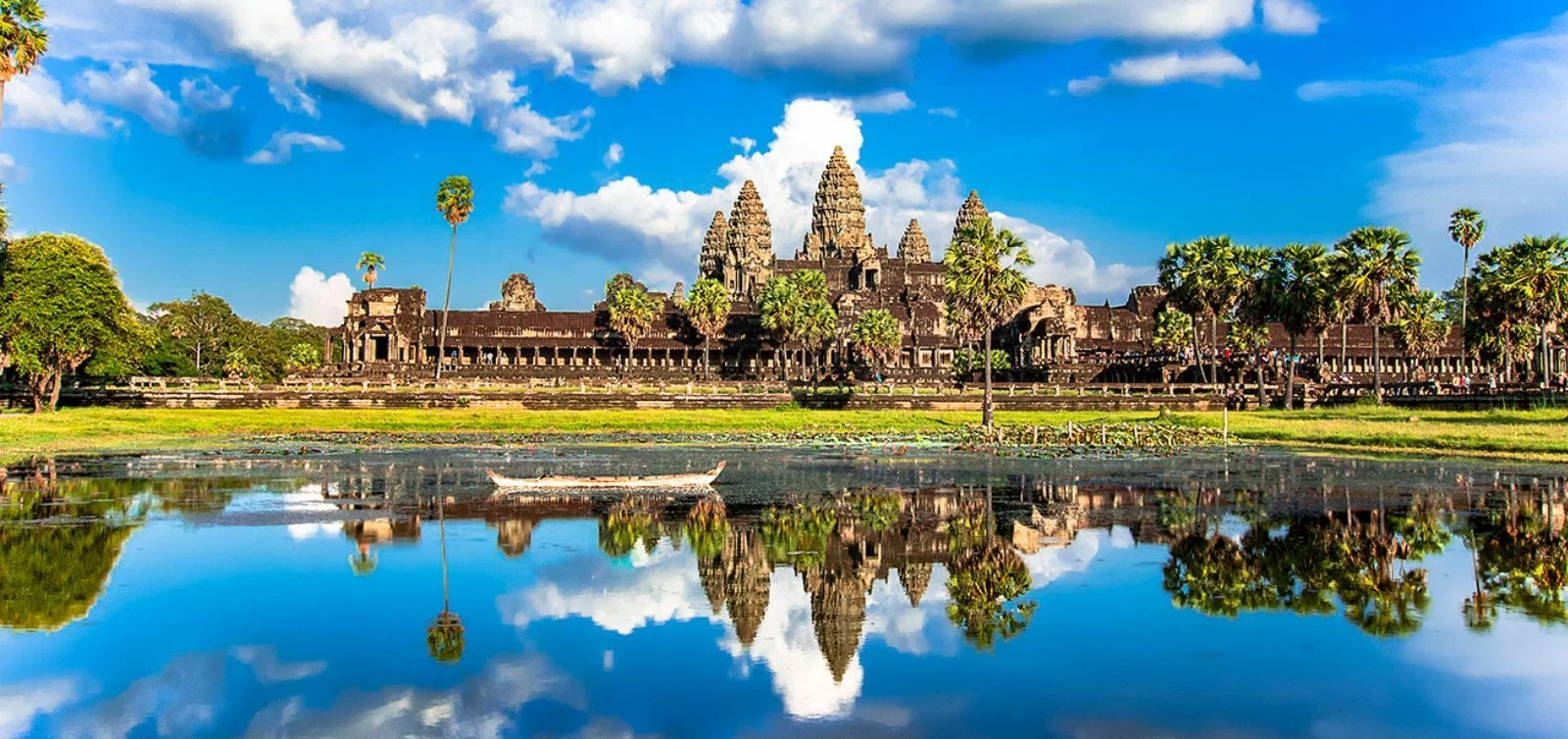
Around the spring equinox (about 20 March), the sun rises almost directly over the central tower of Angkor Wat when you watch from the western entrance. The temple’s builders aligned it this way on purpose, and it draws a large crowd of photographers.
- Arrive well before sunrise to find a spot by the reflecting pools.
- The alignment is close for a few days either side of the equinox, and those mornings are quieter.
- The same effect happens around the autumn equinox in September, although clouds are more likely then.
April: Khmer New Year
Khmer New Year (Choul Chnam Thmey) is the biggest holiday of the year. It runs for three days in mid-April, usually from the 13th or 14th to the 16th. Families gather at home and at the pagoda, and in the streets people throw water and talcum powder at one another. Play along, and keep your phone in a waterproof bag.
Many people who work in Phnom Penh go home to their provinces, so the capital is quiet and some restaurants close. Siem Reap is the opposite: it fills with Cambodian visitors to the temples, and the atmosphere is festive. In several recent years a large New Year festival has been held near Angkor Wat, but whether it runs changes from year to year.
April is also the hottest month. Visit the temples at sunrise and in the late afternoon, and rest in the middle of the day.
May: Buddhist and royal ceremonies
Visak Bochea, at the May full moon, marks the birth, enlightenment and death of the Buddha. In the evening, monks and worshippers walk three times around their pagodas carrying candles, lotus flowers and incense. Visitors are welcome to watch quietly from the side.
A few days later, the Royal Ploughing Ceremony opens the rice-planting season. Royal oxen plough a ceremonial furrow and are then offered trays of rice, corn, beans, grass, water and wine. What they choose is read as a forecast for the coming harvest. It is usually held in Phnom Penh. Both days are public holidays.
June to August: the green season
The rains arrive, usually as a heavy afternoon downpour rather than all day. There are few big festivals in these months, which makes it a good time to see the temples with far fewer people, while the rice fields and the moats around Angkor are at their greenest.
Endurance races also come and go in the temple park outside the high season. If you are a runner, check the current race calendar for Angkor before you fix your dates.
September and October: Pchum Ben
Pchum Ben is a fifteen-day festival for remembering ancestors, held in September or early October. Before dawn, families bring rice and food to the pagodas, to feed the spirits of relatives who have died. The last three days are public holidays, and many Cambodians travel home.
If you would like to see it, visit a local pagoda early in the morning. Dress modestly, covering your shoulders and knees, and stay at the edge of the ceremonies. Our guide to culture and customs explains the etiquette.
In the weeks after Pchum Ben, pagodas hold Kathen ceremonies, when people offer new robes to the monks. You may see colourful processions with music on country roads.
November: the Water Festival
Bon Om Touk, the Water Festival, is held over three days at the full moon in late October or November. It celebrates the moment the Tonle Sap river reverses its flow. In Phnom Penh, long boats with dozens of paddlers race on the river in front of the Royal Palace, and in the evenings there are illuminated boats and fireworks. People also gather to salute the moon and eat ak ambok, flattened rice mixed with banana and coconut.
The riverfront is extremely crowded, and hotels near it book out early. The festival has been scaled back or cancelled in some years, so check before you plan a trip around it.
On 9 November, Independence Day marks independence from France in 1953, with a ceremony at the Independence Monument in Phnom Penh.
December: the Angkor Wat Half Marathon
The Angkor Wat International Half Marathon is usually held on a Sunday in early December. The course runs past the temples of the Angkor Archaeological Park, with shorter distances for people who do not want to run the full half marathon. Thousands of runners take part, and registration opens months before the race.
- Register early. Popular categories fill up.
- Book your Siem Reap hotel as soon as you have a place: the race weekend is one of the busiest of the year.
- Plan your temple visits for the days after the race, when your legs have recovered.
Planning a trip around an event
- Check the exact dates for your year. Lunar festivals move, and events are sometimes rescheduled.
- Book early for big holidays. Transport and hotels are busiest around Khmer New Year, Pchum Ben and the Water Festival.
- Expect closures. Some shops, restaurants and offices close on public holidays, but the temples stay open.
- Be flexible. A private tour can move a day around a festival, so you see the event without losing any sightseeing.
For the weather in each month, read our guide to the best time to visit Cambodia. If you would like to plan a trip around one of these events, tell us your dates and we will check this year’s calendar for you, or browse our Cambodia tours.
Tours for this trip
Every tour is private and can be changed to fit your dates.
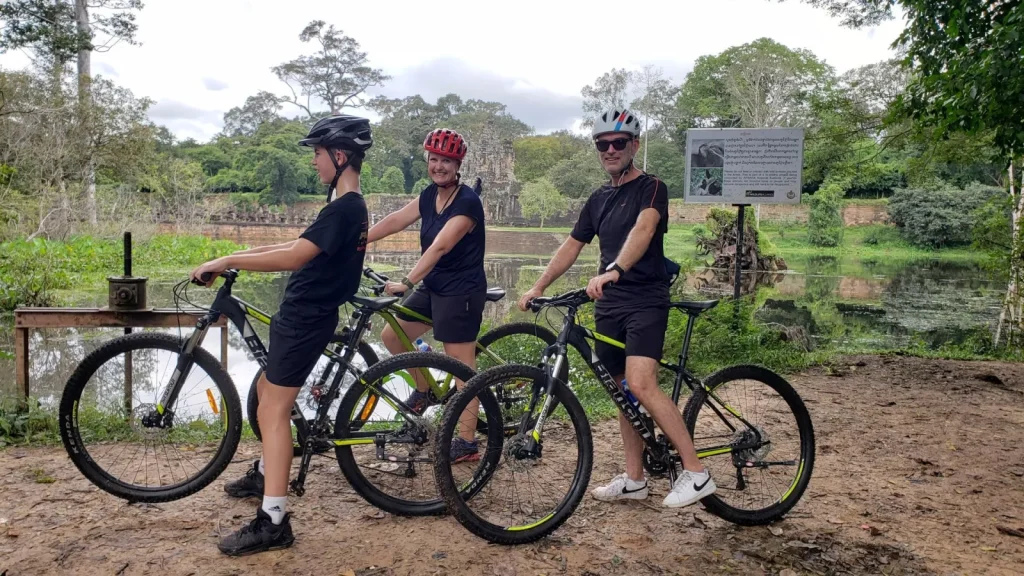
Angkor Jungle Biking Adventure Private Cycling Tour
Get off the beaten path and experience the ancient temples of Angkor in a more active and immersive way with this private cycling tour.
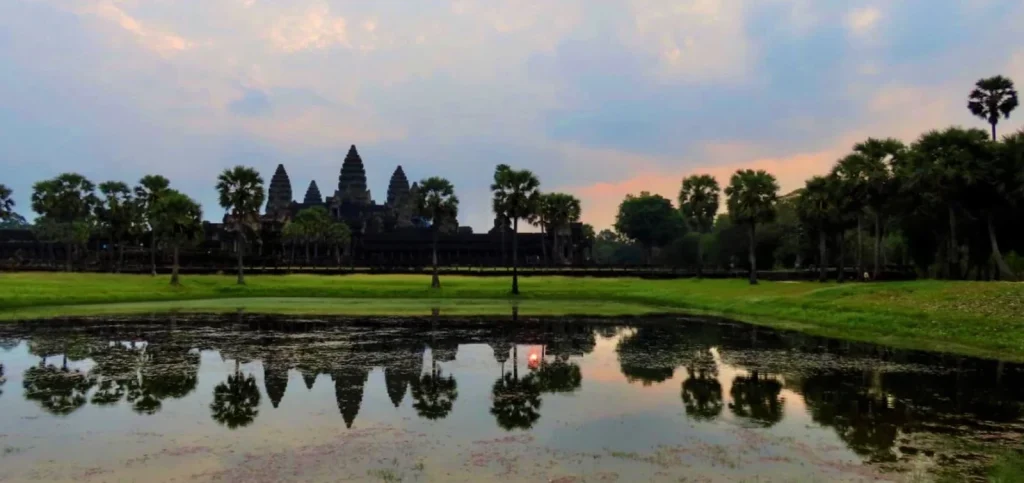
Private Angkor Wat 2 Days Tour for All Highlight Angkor Temples with watch sunset
Discover the wonders of Angkor, a UNESCO World Heritage site, on this private 2-day tour covering both the Angkor Small Circle and Angkor Grand…
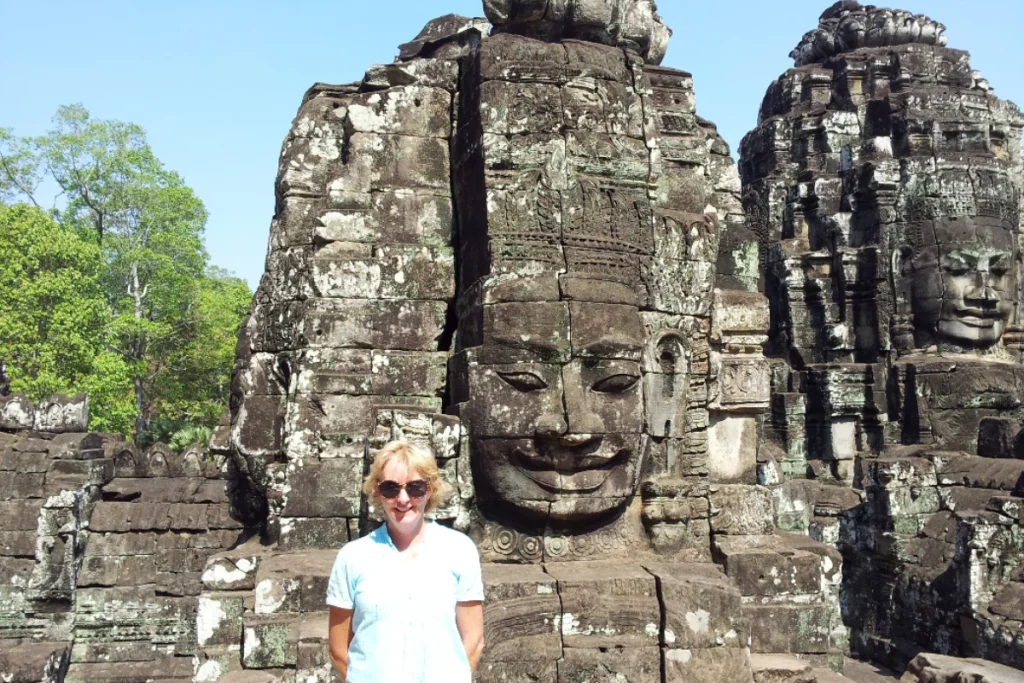
Private Siem Reap 3 Day Tour to Discover All Highlight Angkor Temples
Embark on a comprehensive 3-day private tour of Siem Reap, exploring the most iconic temples of the Angkor Archaeological Park and the floating…
See all our tours
More from the travel blog

Is Cambodia safe for tourists?
An honest answer from a Cambodian team: what is genuinely safe, what to watch for in the cities, the scams, the roads, and the…
Angkor Wat tickets: passes, prices and how to buy them
Where to buy the Angkor pass, which one to choose, what it does and does not cover, and the rules that catch visitors out…

How many days do you need at Angkor Wat?
One day covers the famous temples, three days lets you see Angkor properly. Here is what fits into one, two, three and five days,…
Planning a trip around this?
Tell us your dates and what you want to see. A local planner will send you a written itinerary and a price, normally within one working day.