
The best time to visit Cambodia
There is no bad month. There are trade-offs, and they are easy to plan around
Month by month
Average rainfall at Siem Reap, rounded. Figures are long-term averages, so treat them as the shape of the year rather than a forecast.
January
10 mm
Driest month. Cool mornings, clear skies, busiest temples.
February
10 mm
Dry and bright. Still peak season, still busy.
March
60 mm
Heat building. Quieter than February, still comfortable early.
April
85 mm
The hottest month, and Khmer New Year. Start at dawn.
May
150 mm
First real rains. Landscape greens up, crowds thin.
June
165 mm
Afternoon storms, mornings usually clear.
July
170 mm
Green and quiet. Good light for photography.
August
185 mm
Wet, warm, few visitors. Moats and barays full.
September
285 mm
Wettest month. Tonle Sap at its highest.
October
220 mm
Rain easing through the month. Rivers still high.
November
75 mm
Dry season returns. Water Festival. The sweet spot.
December
20 mm
Coolest, driest, busiest. Book early.
The dry season: November to April
Clear skies, hard light and almost no rain. November to January is the most comfortable stretch of the year and, unsurprisingly, the busiest — the temples fill from sunrise and the good hotels sell out months ahead. From February the heat builds, and by April it is genuinely hot: high thirties, little shade in the outer temples, and no rain to break it. April is workable if you start at dawn and stop at midday, which is what we plan for anyway.
The wet season: May to October
The southwest monsoon brings roughly three-quarters of the year's rain, but it rarely rains all day. The usual pattern is a clear morning and a heavy hour or two in the afternoon, which fits a temple itinerary better than people expect. The countryside turns green, the moats and barays fill, and the crowds thin out. September and October are the wettest months and the ones to think hardest about — some rural roads get difficult and the coast gets rough seas.
What the season does to each thing you came for
Angkor and the temples
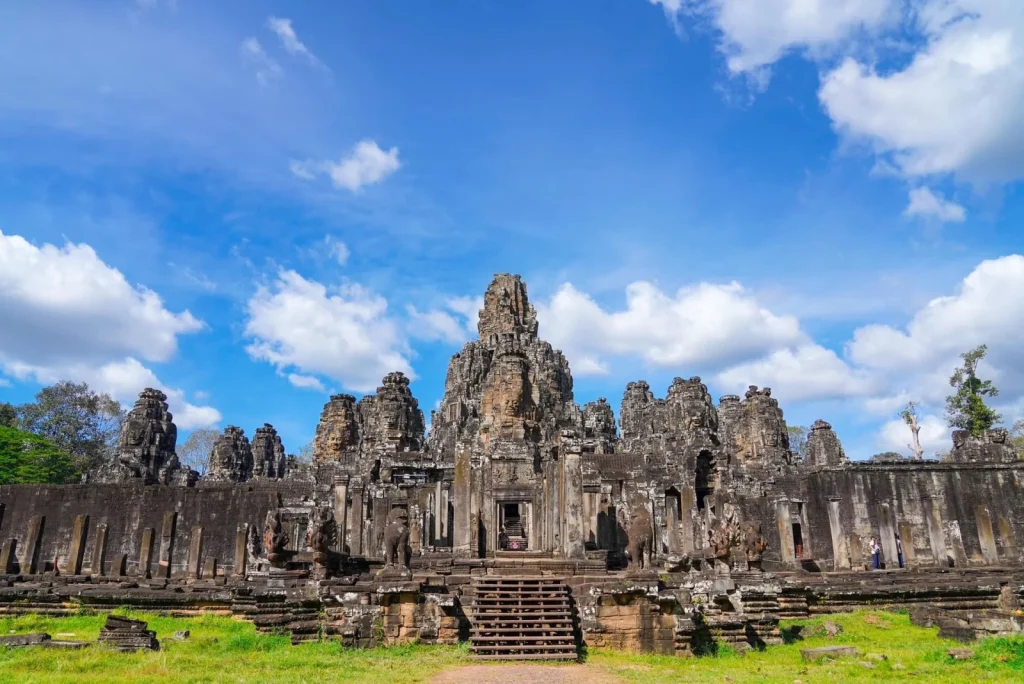
Open all year. In the wet season the moats and barays hold water and the stone darkens, which many photographers prefer. In the dry season the light is harder and the ground is dust.
The Tonle Sap
The lake swells from about 2,600 km² to several times that at the height of the monsoon. Boat trips and the floating villages are at their most impressive from August to November; late in the dry season some channels get too shallow.
The coast and islands
Kep, Sihanoukville, Koh Rong: best from November to April, with calm clear water. The monsoon brings rough seas and cancelled boats.
Sunrise at Angkor Wat
Worth the alarm in any month. The reflection in the northern pond needs water in it, which the wet season guarantees and a late dry season does not.
Festivals worth planning around
Three dates move the whole country, and all three are worth seeing if you are here — but they close offices, fill transport and change what is open.
So when should you come?
If you want one answer: November. The rain has stopped, the landscape is still green from the monsoon, the water is still high, and the heat has not arrived. If November does not suit, the next best compromises are late October and early May, at either shoulder — you accept some rain and get the temples much more to yourself.
Plan around the month that suits you
Tell us when you can travel and we will tell you honestly what it will be like, then build the itinerary around it.